Technical SEO Services: 8 Things They Must Include
By Istiak Ahmed Soikot, Founder and CEO, Rank OG
Key takeaways
- A technical SEO engagement is the work that keeps a site's machinery readable to search engines, and it must include eight deliverables: a full crawl and indexation review, robots.txt and sitemap management, canonical and duplicate fixes, site architecture and internal linking, Core Web Vitals optimization, mobile usability checks, HTTPS review, and structured data with a JavaScript rendering review.
- Treat robots.txt and the XML sitemap as the crawl budget control panel: block duplicate content and internal search in robots.txt, but use noindex to keep pages out of the index, and keep the sitemap limited to indexable canonical URLs.
- Judge speed by field data, not lab scores: all three Core Web Vitals must hit their good thresholds at the 75th percentile of real visits, LCP within 2.5 seconds, INP at 200 milliseconds or less, and CLS at 0.1 or less.
- Validate structured data with the Rich Results Test and require markup that describes only visible page content, since Google recommends JSON-LD and misleading markup can trigger a manual action.
- Verify the work in Google's own tools, not just the provider's PDFs: the Page Indexing report, the Core Web Vitals report, and URL Inspection showing the rendered page, agreed as checkpoints before work starts.
Technical SEO services include a full crawl and indexation review, robots.txt and sitemap management, canonical and duplicate fixes, architecture and internal linking work, Core Web Vitals optimization, mobile checks, HTTPS review, and structured data. Demand all eight before you sign anything.
This guide is for business owners comparing technical SEO proposals and wondering what their money actually buys. For the short version of who does this work at Rank OG, see our technical SEO services page.
What do technical SEO services include?
Technical SEO services include eight core deliverables: a crawl and indexation review, robots.txt and XML sitemap management, canonicalization and duplicate control, site architecture and internal linking, Core Web Vitals optimization, mobile usability fixes, HTTPS and security checks, and structured data with a JavaScript rendering review. A proposal missing any of these is not complete technical SEO, no matter how polished the sales deck looks.
The table below summarizes what technical SEO services include and how to check each item, and the sections that follow explain what good delivery looks like for all eight. Use it as a checklist the next time a proposal lands in your inbox.
The 8 inclusions at a glance
| Inclusion | What good delivery looks like | How you verify it |
|---|---|---|
| Crawl and indexation review | Full site crawl matched against Search Console data | Page Indexing report exclusions drop |
| Robots.txt and XML sitemaps | Clean rules, sitemap limited to indexable canonicals | Sitemaps report in Search Console |
| Canonicalization and duplicates | One canonical URL per page, correct 301 redirects | URL Inspection shows the intended canonical |
| Architecture and internal linking | Key pages a few clicks from the homepage | Crawl depth report and manual spot checks |
| Core Web Vitals and speed | All three metrics in the good range | Core Web Vitals report field data |
| Mobile usability | Readable, tappable pages with matching content | Real-device checks and mobile reports |
| HTTPS and security | Valid certificate, clean redirects, no mixed content | Browser padlock and Security Issues report |
| Structured data and rendering | Valid JSON-LD matching visible page content | Rich Results Test and rendered HTML check |
Does the service start with a real crawl and indexation review?
It should. Every serious engagement begins by checking whether Google can discover, fetch, and index your important pages, because nothing else in the proposal matters until that works.
Google discovers pages by crawling links and reading sitemaps, then decides what to keep in its index. A proper review replicates that path: it crawls your site the way a search engine would, compares the findings against Google Search Console’s Page Indexing report, and flags the gaps. Common finds include important pages blocked by an old robots.txt rule, staging subdomains left indexable, and thin paginated archives soaking up crawl attention.
Server responses get checked too: indexable pages should return a clean 200 OK, removed pages a true 404 rather than a confusing soft 404. Google’s documentation stresses understanding the crawl, index, and serving pipeline before debugging anything. Ask whether their technical SEO services include a proper crawl review with evidence, not just an automated scan summary.
Picture a 40-page brochure site where half the service pages never made it into the index because of one forgotten disallow rule. No amount of content work fixes that. The crawl review catches it in the first week.
Will they fix your robots.txt and XML sitemaps?
They should, because these two files are the control panel for how Google spends its crawl attention on your site.
Robots.txt tells compliant crawlers which paths they should not fetch. It is the right tool for blocking duplicate content, internal search pages, and unimportant resources that would otherwise overload the server. It is not a tool for keeping pages out of the index. Google is explicit about this: to prevent indexing, use a noindex tag or login requirements instead.
XML sitemaps do the opposite job. Google calls them a very important way to say which pages matter most, and says it prioritizes crawling the pages they list, especially for images, video, and rarely linked pages. A good provider keeps the sitemap clean, limited to indexable canonical URLs, and submitted in Search Console.
Do they handle canonicals and duplicate content?
A complete service does. Duplicate URLs split ranking signals and waste crawl attention, so every important page needs one clear canonical version.
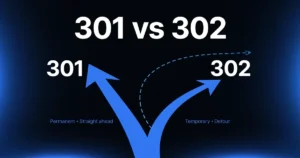
That means self-referencing canonical tags where appropriate, correct handling of www versus non-www and HTTP versus HTTPS versions, and parameter URLs that do not each count as separate pages. Permanent moves need a 301 redirect so signals transfer; temporary moves get a 302. Google’s documentation is blunt that canonical choices directly affect crawling and indexing.
Will they improve site architecture and internal linking?
Good technical SEO services include an architecture review, because Googlebot navigates from URL to URL by fetching links. Pages with no internal links pointing to them can sit undiscovered for months.
Expect the provider to map your most valuable pages, check how many clicks they sit from the homepage, and fix the dead ends: cleaner navigation, contextual links from related content, and pagination with plain crawlable links instead of JavaScript-only controls. This is also where orphaned pages get found.
Do they measure and fix Core Web Vitals?
They must. Core Web Vitals are Google’s three user-experience metrics, and any provider selling speed work should report all three against Google’s published thresholds, not a single synthetic score.
| Metric | What it measures | Good threshold |
|---|---|---|
| Largest Contentful Paint (LCP) | How fast the main content loads | 2.5 seconds or less |
| Interaction to Next Paint (INP) | How quickly the page responds to clicks and taps | 200 milliseconds or less |
| Cumulative Layout Shift (CLS) | How much the layout jumps while loading | 0.1 or less |
Google measures each metric at the 75th percentile of real page loads, separately for mobile and desktop, and a page passes only when all three hit their targets. That detail matters: a lab test on a fast office connection is not the same as field data from real visitors. Ask whether their technical SEO services include field-data reporting from Search Console’s Core Web Vitals report, which reflects what Google actually uses.
Is mobile usability part of the package?
It has to be. Google now uses a mobile crawler as the default crawler for websites, which means the mobile version of your pages is what gets evaluated.
At minimum the service should check that content and structured data match between desktop and mobile, that tap targets are usable, that text is readable without zooming, and that no intrusive interstitials block the page. Insist the technical SEO services include checks on a real phone, since emulators miss tap-target and readability problems.
Do they check HTTPS and site security?
Yes, and this one is quick to verify yourself. Google recommends HTTPS for user and site security, and Chrome marks HTTP pages as not secure, which scares visitors away before SEO even enters the picture.
The service should confirm every page serves over HTTPS with a valid certificate, that HTTP URLs redirect cleanly to HTTPS, and that no mixed content loads insecure resources inside secure pages. It should also check Search Console’s security reports, because a compromised site can lose its rankings fast.
Do they implement structured data and review JavaScript rendering?
A thorough service covers both. Structured data gives Google explicit clues about what a page means, using a standardized vocabulary, and it can make pages eligible for rich results. Google recommends JSON-LD as the easiest format to implement and maintain.
Two rules from Google’s documentation are worth quoting to your provider: markup must describe visible page content, and blank pages built only to hold markup are not acceptable. Validate with the Rich Results Test during development and monitor the status reports afterward, since template changes break markup silently.
JavaScript gets its own check because Google renders JavaScript but with documented differences and limitations compared with a normal browser. The provider should confirm that Googlebot sees the same content a visitor sees, using the URL Inspection tool’s rendered view. Confirm that the technical SEO services include a JavaScript rendering check, not just markup validation.
What should technical SEO services never include?
Guaranteed rankings, for a start. Google’s starter guide says plainly that there is no secret that will automatically rank a site first, and no honest provider can promise a specific position. Be wary when a proposal claims its technical SEO services include guaranteed rankings. That is a reason to walk away.
Other red flags: bulk backlink packages sold alongside the technical work (Google expects paid links to carry rel=nofollow rather than pass ranking credit), proprietary methods the provider will not explain, and reports that are only screenshots of tool warnings with no prioritized actions. Real technical SEO is transparent: every finding can be shown in a crawl, a Search Console report, or the page source.
How can you verify the work was actually done?
Ask for evidence from Google’s own tools, not just the provider’s PDFs: the Page Indexing report shows whether blocked and excluded pages went down, the Core Web Vitals report shows whether field scores moved, and URL Inspection shows the rendered page Google sees now versus before.
Agree on these checkpoints before work starts, and ask for before-and-after numbers in the first report. These checkpoints confirm that the technical SEO services include measurable fixes rather than vague promises. A provider confident in the work will welcome the scrutiny. One that resists it is telling you something.
Frequently asked questions
How much do technical SEO services cost?
It depends on site size and scope: a brochure site needs far less work than a large store. Rank OG scopes every engagement after a free audit, with published pricing at Starter $150, Growth $280, and Scale $799. Never accept a fixed quote before anyone has crawled your site.
How long does technical SEO take to show results?
Some fixes register within days, while deeper changes can take weeks or months to appear in search results. Google advises waiting a few weeks before judging whether a change helped. Honest providers report leading indicators first: indexation coverage, crawl stats, and Core Web Vitals, while rankings catch up later.
Can technical SEO alone get my site to the top of Google?
No. Technical SEO removes the barriers that stop good pages from ranking, but content quality, relevance, and competition decide the actual positions. Google states there is no guarantee that any particular site will even be indexed. Treat technical work as the foundation of the house, not the whole building.
Should I buy a one-time audit or ongoing technical SEO?
A one-time audit suits a stable small site with a short fix list and no frequent changes. Ongoing technical SEO fits larger sites, regular publishing, migrations, or platform updates that keep creating new issues. Ask the provider which model matches how fast your site changes before you commit to either.
What should I ask before signing a technical SEO contract?
Ask what exactly is included, who implements the fixes, how progress is measured, and what the first report looks like. Vague answers about proprietary methods or guaranteed rankings are red flags. A trustworthy provider names concrete deliverables, cites tools like Search Console, and gives realistic timelines.
Sources
- Technical SEO Techniques and Strategies, Google Search Central
- Intro to How Structured Data Markup Works, Google Search Central
- Web Vitals, web.dev
Sources checked November 2026.
If the proposal on your desk is missing half of these eight, get a second opinion before you pay for it. Rank OG’s free SEO audit checks crawlability, indexation, speed, and the rest, or contact us to talk through what your site actually needs.